
River surfing places demands on your fins that ocean surfing doesn't. Compact standing waves, powerful and consistent hydraulics, rocky or concrete wave entries, and short boards all change what works. Choose the wrong fins on a river and you lose control — or worse, you lose a fin to the riverbed.
Why River Surfing is Different
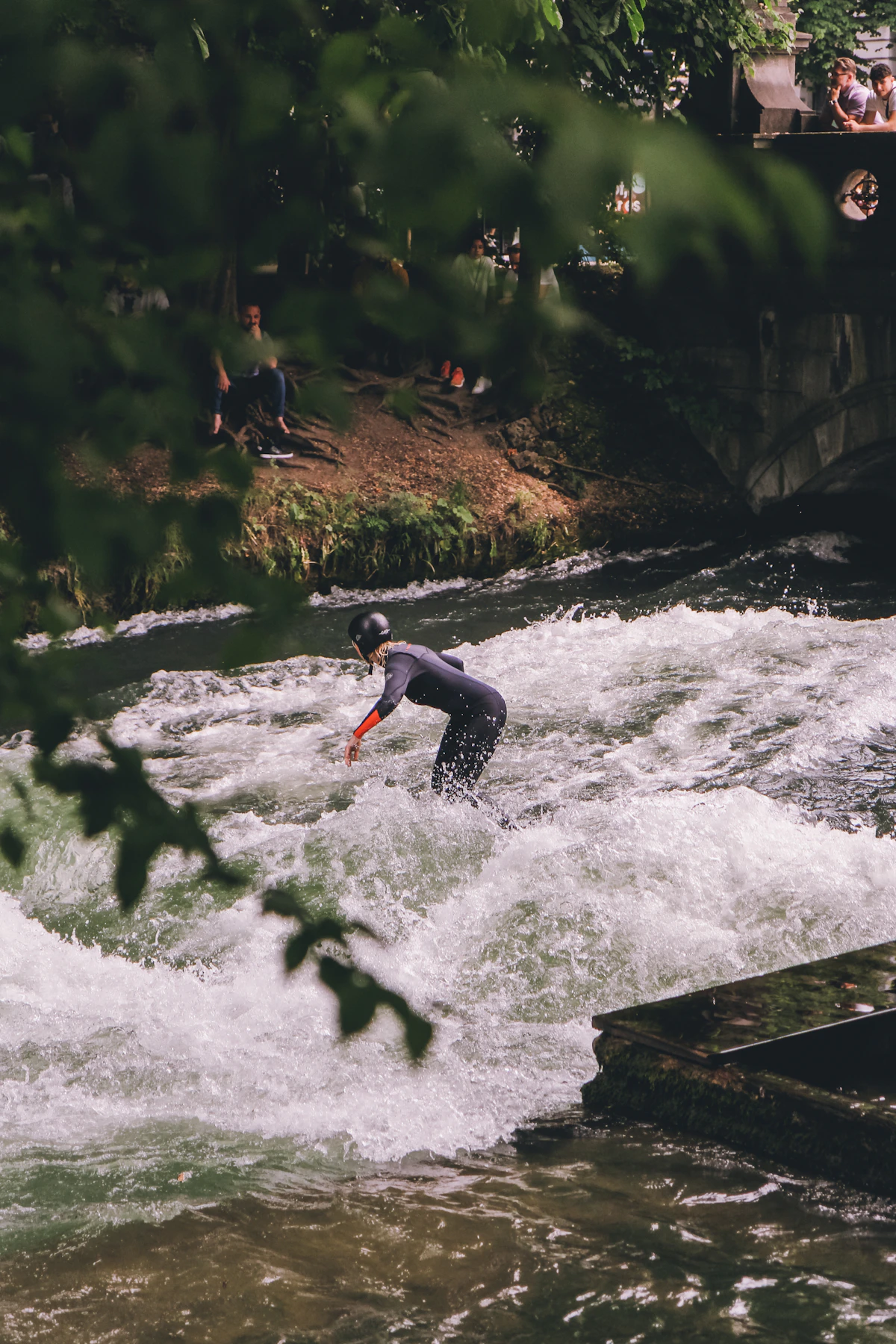
On the ocean, you paddle into a wave, ride it through, and the wave moves past you. On a river, the water moves through you. The hydraulic energy is concentrated, the wave is fixed in space, and your board stays on a tight line. Turns are quick and pivotal rather than long and carving.
River wave entries — particularly at natural channels and urban surf spots — often involve concrete, rocks or timber. A deep fin dragging through a rocky entry is a broken fin, and possibly a broken fin box. Entry speed also matters: rivers push you onto the wave, and a large fin can catch the current and drag you sideways before you've set your feet.
What to Look For in a River Surf Fin
Short and Low-Profile
Shorter fins are essential on rivers. A standard thruster fin that works well in beach break will stick into a riverbed or catch a submerged rock at a river spot. Look for fins with a height of 10–13 cm rather than the standard 14–17 cm range. Low rake (sweep) also helps — a more upright fin pivots more quickly on the tight wave, matching the style of riding rivers reward.
Flexible Foil
Flexible fins are more forgiving on contact with the riverbed. A stiff carbon fin hits a rock and snaps; a flexible fiberglass or composite fin absorbs the impact and springs back. River fin damage is mostly a matter of when, not if — flexibility buys you more sessions before replacement. This applies especially to SUP fins in moving water, where the fin depth is greater and contact with rocks is more likely.
Twin + Knubster for Surfboards
The twin fin + knubster setup has become the standard at compact river waves like Munich's Eisbach. Two short side fins provide speed and looseness; the small knubster centre fin adds enough hold to keep the board connected on faster hydraulics. The setup pivots quickly, which suits the snap turns river surfing rewards. Avoid deep thruster sets — the centre fin is the first to catch the riverbed.
US Box for SUP
River SUP is growing rapidly, particularly in alpine and urban river environments. Standard touring fins are too long and too stiff for moving water — they dig into the riverbed at shallow sections and snap under load. The right SUP fin for river use is short, flexible and purpose-built for fast water.
The Flexible River SUP Fin
Specifically designed for river SUP, the Flexible River SUP Fin from Eisbach Riders uses a composite construction that flexes on river-bed contact rather than snapping. It's shorter than a standard touring fin to reduce drag in shallow, fast-moving water. Available in US Box and Quick Lock formats to fit any SUP board.

If you're paddling rivers — alpine channels, urban waves, fast shallow sections — a flexible river fin is not optional. A standard touring fin in moving water is a liability.
Eisbach-Specific Advice
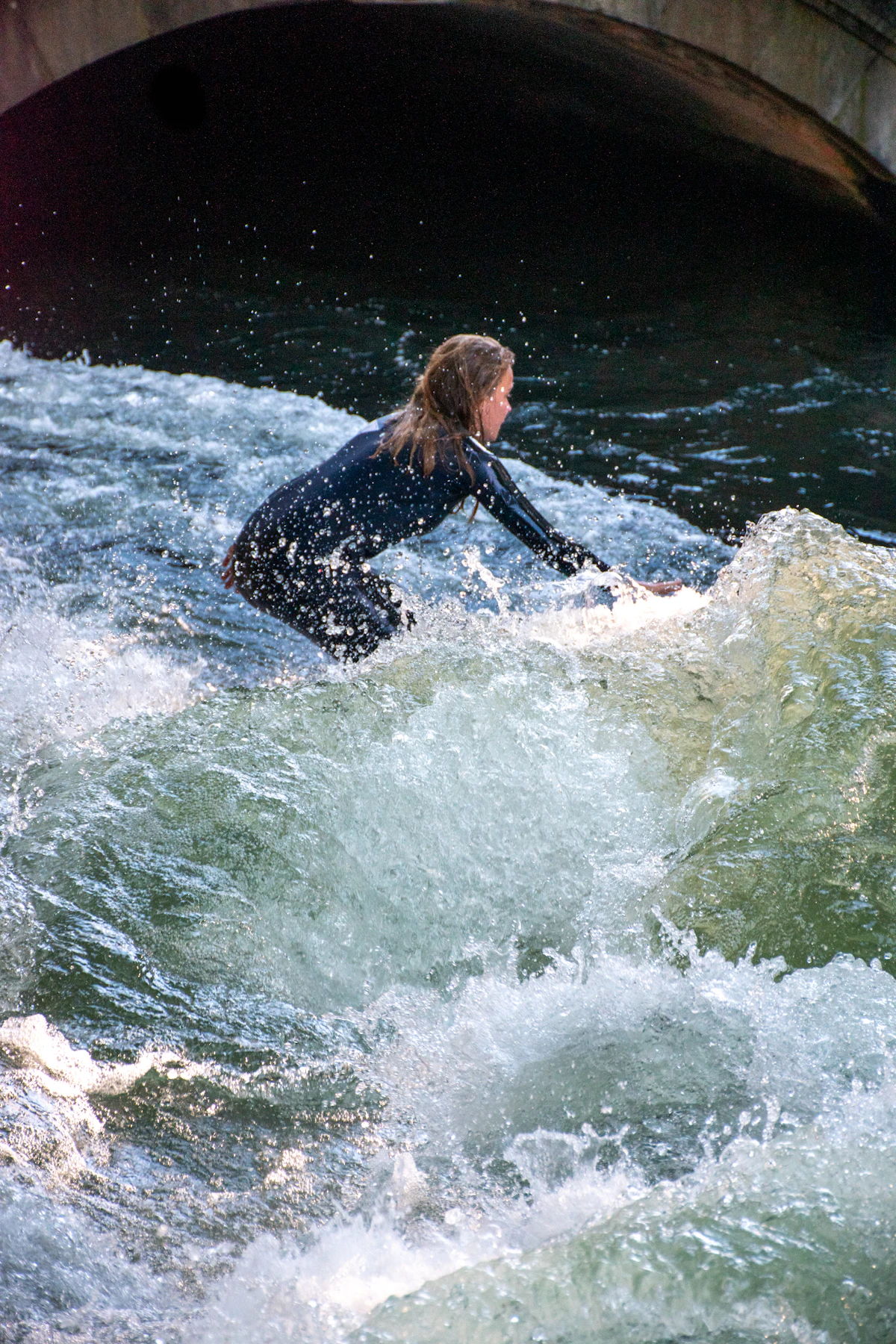
Munich's Eisbach wave is the best-known urban river wave in Europe and one of the most demanding for fins. The entry is a sharp concrete lip. The wave itself is fast, powerful and short. Water temperature stays cold year-round — check the live Eisbach water temperature before you go.
For surfboards at the Eisbach: small side fins (FCS or Futures double-tab/single-tab) with a tiny knubster centre. No single fins. Avoid large quad sets — the rear fins are too close to the concrete at entry. Many regulars ride finless or with the absolute minimum fin depth to avoid bottom contact.
For SUP at the Eisbach: the flexible US Box fin is the standard solution for anyone paddling the wave sections upstream. The rigid touring fin does not survive the experience.
Quick Guide by Use Case
- Compact river wave (surfboard) — short side fins + knubster, no deep centre fin
- Alpine river SUP — flexible river fin (US Box or Quick Lock), short profile
- Shallow rocky river — shortest fin possible, maximum flexibility
- Urban standing wave (powerful) — twin + knubster, flexible FCS or Futures side fins